Capabilities

Sectors & capabilities

Defense and aviation set the standard. Infrastructure, building systems, and prefabrication let us close the loop in-country rather than handing a client off once the contract is signed.

Sector 01

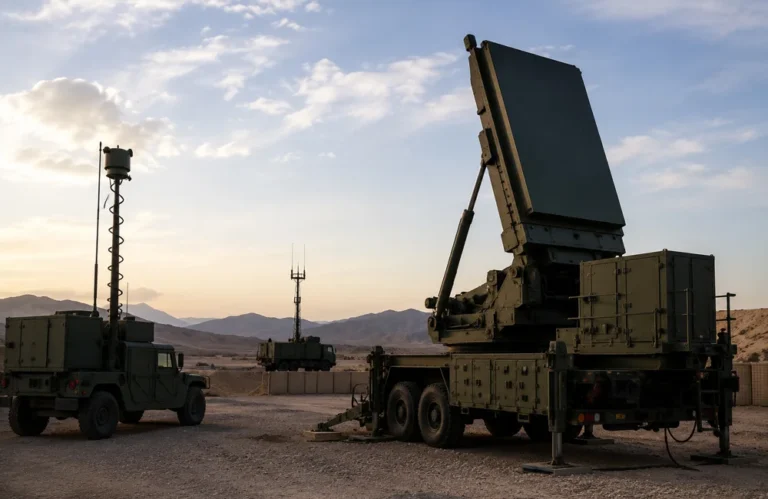
Defense

End-to-end support for defense procurement, system integration, and technology transfer in collaboration with globally recognized OEMs. Our leadership's service background means requirements are assessed against what the framework will actually approve, not against what a catalogue offers.

Sector 02

Aviation & Aerospace

Coordination with international aviation OEMs for aircraft systems, MRO solutions, avionics integration, and aerospace supply chain management β€” informed by direct airport executive experience within our leadership.

Sector 03

Strategic Procurement

Leveraging in-house ex-defense expertise to navigate procurement systems, offset programs, and government-to-industry liaison frameworks. This is the capability that determines whether a technically sound proposal survives contact with approval.

Sector 04

Technology Integration

Enabling transfer of cutting-edge defense and aviation technologies, supporting Pakistan's indigenization drive and industrial capability building structured so capability remains in-country after the program closes.

Sector 05

Infrastructure & Civil Works

Turnkey civil and structural works for defense, aviation, and public-sector infrastructure including site development, earthworks, structural construction, renovation, retrofit works, and complete facility delivery, executed with established local engineering partners.

Sector 06

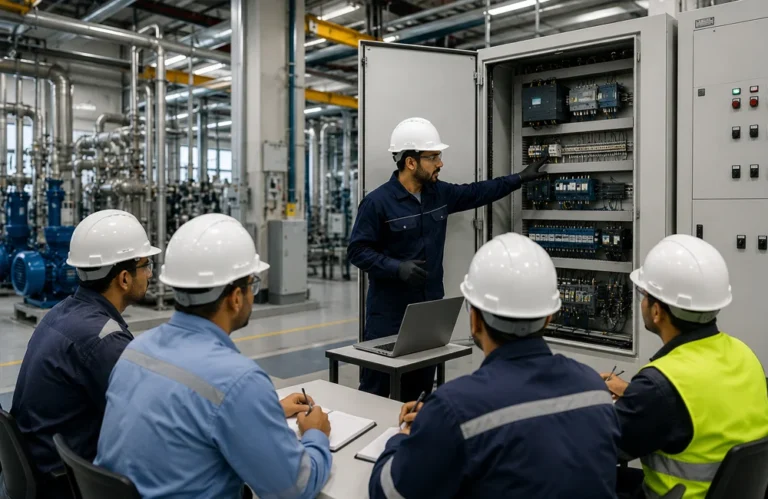
BMS & MEP Solutions

Design, integration, and delivery of Building Management Systems and mechanical, electrical, and plumbing works for modern facilities including HVAC automation, electrical distribution, plumbing, fire-fighting systems, access control, security systems, and energy management.

Sector 07

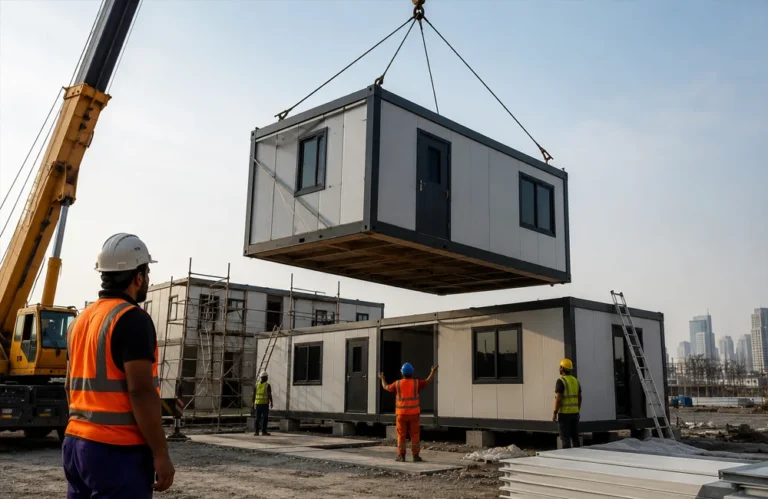
Pre-Fabricated Buildings

Pre-fabricated and pre-engineered building solutions for rapid deployment projects efficient, durable, and cost-effective structures where schedule matters more than permanence.

Sector 08

Oil & Gas Trading

Sourcing and supply-chain capability extended into the energy sector through our strategic trading partnership with North Star Oil Trading LLC. This is a trading relationship rather than an in-house engineering function it broadens our procurement reach beyond capital equipment into commodities, and gives the same disciplined sourcing process experience of energy markets.

Sector 09

Delivery & In-Country Support

Installation, commissioning, training, and post-delivery support executed locally. Programs are not considered complete at the port they are complete when the client's own people can operate and sustain what was delivered.

Common questions

Before you send a requirement.

Are you an OEM or a manufacturer?

No. Impulse Tech is a facilitation and integration enterprise. We do not manufacture defense equipment. We identify the appropriate international OEM for a requirement, coordinate the technical and commercial relationship, manage regulatory and offset obligations, and oversee in-country delivery. For civil, structural, and building-systems scope we deliver through our established local engineering partners.

What does "established working relationship" mean on your partners page?

It means we have an active working channel with that organization and have coordinated with them on requirements. It does not always mean an exclusive distribution or agency agreement. We state the nature of each relationship explicitly rather than implying more β€” if a specific engagement requires a formal agency arrangement, we will tell you whether one exists.

Can you handle both the equipment and the facility it goes into?

Yes β€” that is the reason the infrastructure, BMS/MEP, and prefabrication capabilities exist alongside defense and aviation. A radar, a hangar system, or an airport ground installation typically needs civil works, power, HVAC, and security integration. We scope those together rather than leaving the client to coordinate three separate vendors.

How do you handle regulatory approvals and offset obligations?

Offset structuring and government approvals are handled at Stage 04 of our process, before contract execution. Our leadership's Ministry of Defence and service background is applied directly here. We will tell you early if a requirement is unlikely to clear approval in the form proposed, rather than after commercial terms are agreed.

What information should we send with an initial enquiry?

The capability gap in operational terms, the intended timeline, the approving authority, and any regulatory or offset constraints already known. Technical specifications are useful but not required at first contact β€” part of our Stage 01 work is converting an operational need into a specification an OEM can quote against.

β€”Β Next step

Bring us a requirement, not a brief.

Tell us the capability gap, the timeline, and the regulatory envelope. We will come back with an OEM shortlist and a procurement route.